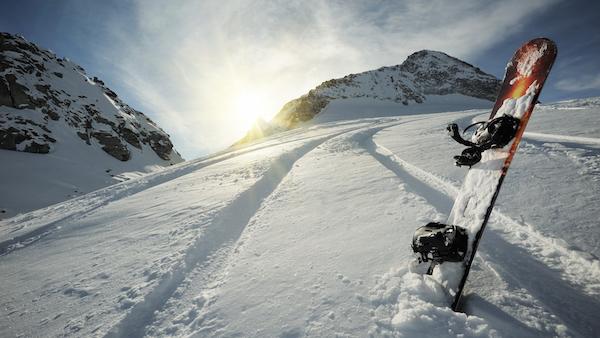
When looking at the best snowboarding bindings you want to always ensure that the flex of the bindings correlates to your skill level and preferred terrain. Even more, it should match the flex of your boots. Usually the freestylers and the beginners find it is best to go with a flexible and short highback (this is a vertical plate that rests against the back of the ankle). This allows for a more forgiving and softer ride for those landing jumps and recovering. For the more advanced riders or those who like to freeride, bindings with hard and tall highbacks are ideal for more precise control at higher speeds no matter the terrain. You can narrow down your choices by deciding on one of the following styles: All-mountain: This type of equipment is perfect for all terrain because it is extremely versatile. The level of flex on these can vary depending on the user's skill level and the preferred driving terrain, but the majority prefer a low to medium flex Freestyle: This style is designed for performing jumps, tricks, spins, and tackling some other park features like rails, boxes, and half-pipes. Usually these offer softer flex because they have to be more forgiving if you make a hard landing. Freeride/Splitboard: Theses boards are designed for exploring the backcountry terrains. These bindings are stiffer for more control. Powder: The bindings here are the stiffest because you need more control when riding on deep powder. Snowboard binding types Strap Bindings: This is the most popular type of binding and features a strap that you can ratchet down to safely secure your foot into place. These bindings offer fixed high backs and a variety of adjustment options with great cushioning and support. It does come with some downfalls, however, like the constant manual adjusting and unbuckling that can become a burden especially when wearing gloves or wearing goggles. Luckily, strap bindings are great for both firm and soft flex boots. Speed-entry Bindings: This binding type is similar to to strap bindings, but they feature moving highbacks to allow for a faster entry sand exit of the foot. This is something preferred by plenty of riders. The bindings stabilize the feet with something called a yoke system to apply even pressure across the forefoot. Usually the speed-entry bindings are quite a bit heavier than the strap bindings. Some riders find that this extra weight reduces their control over the board. We have found that these bindings work well with both soft and firm flex boots. Tips for fitting your bindings The bindings you go with must be able to accommodate for the size of your boots. You also want it to grip the boot very securely without applying excess force to the boot. You want your boot to be able to flex and shift a small amount. Binding straps should not dangle excessively when tightened. Look for different bindings if the strap ends are overly long when the bindings are cinched to your boots. Women-specific bindings have dimensions and highbacks that are designed to fit a woman's calves and boots.